
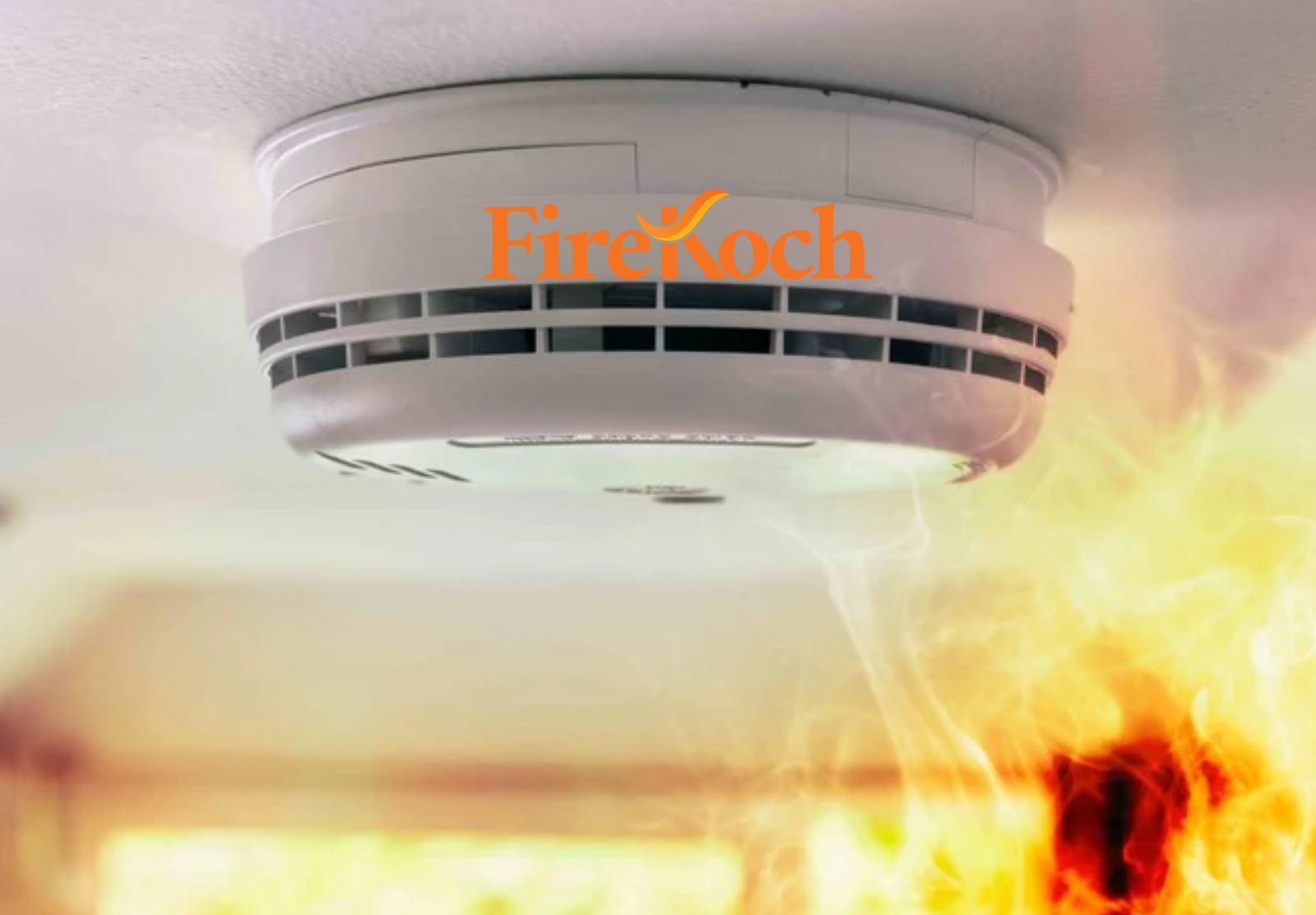
Fire alarm systems are essential for ensuring the safety of buildings and their occupants by providing early detection and warning of fire incidents. These systems are designed to detect the presence of smoke, heat, or flames and alert occupants through audible and visual signals. This article explores the various components, types, working principles, benefits, regulatory standards, and future trends of fire alarm systems.
Components of Fire Alarm Systems
- Fire Alarm Control Panel (FACP):
- Function: The central hub of the fire alarm system, the FACP receives input from various sensors and devices, processes the data, and triggers the appropriate alarm response.
- Features: It includes user interfaces, display panels, and control buttons for system management and monitoring.
- Initiating Devices:
- Smoke Detectors: Detect the presence of smoke particles in the air. Common types include ionization, photoelectric, and combination smoke detectors.
- Heat Detectors: Sense changes in temperature. Types include fixed temperature, rate-of-rise, and combination heat detectors.
- Manual Pull Stations: Allow occupants to manually trigger the fire alarm in case of an emergency.
- Flame Detectors: Detect the presence of flames through infrared, ultraviolet, or a combination of sensors.
- Notification Appliances:
- Audible Alarms: Sirens, horns, and bells that produce loud sounds to alert occupants.
- Visual Alarms: Strobes and flashing lights to alert hearing-impaired individuals and enhance overall visibility of the alarm.
- Voice Evacuation Systems: Provide verbal instructions to occupants during an emergency.
- Secondary Power Supply:
- Function: Ensures that the fire alarm system remains operational during power outages.
- Components: Batteries, generators, or other backup power sources.
- Communication Systems:
- Function: Facilitate communication between the fire alarm system and monitoring services or fire departments.
- Components: Dialers, cellular transmitters, and internet-based communication devices.
Types of Fire Alarm Systems
- Conventional Fire Alarm Systems:
- Mechanism: Divide the building into multiple zones, each with its own set of detectors and initiating devices. When an alarm is triggered, the FACP identifies the affected zone.
- Advantages: Simple and cost-effective for small to medium-sized buildings.
- Limitations: Limited ability to pinpoint the exact location of the fire within a zone.
- Addressable Fire Alarm Systems:
- Mechanism: Each device in the system has a unique address, allowing the FACP to identify the exact location of the triggered device.
- Advantages: Enhanced precision, better diagnostics, and easier maintenance.
- Limitations: Higher initial cost and complexity compared to conventional systems.
- Wireless Fire Alarm Systems:
- Mechanism: Use wireless communication to connect initiating devices and notification appliances to the FACP.
- Advantages: Easy installation, flexibility, and reduced wiring costs.
- Limitations: Potential interference and range limitations.
- Hybrid Fire Alarm Systems:
- Mechanism: Combine elements of both wired and wireless systems to provide a flexible and scalable solution.
- Advantages: Balance between reliability and ease of installation.
- Limitations: Requires careful planning to optimize the system design.
Working Principles of Fire Alarm Systems
- Detection:
- Process: Sensors and detectors continuously monitor environmental conditions for signs of fire, such as smoke, heat, or flames.
- Technologies: Ionization and photoelectric sensors for smoke detection; thermistors and thermocouples for heat detection; infrared and ultraviolet sensors for flame detection.
- Notification:
- Process: When a fire is detected, the FACP activates notification appliances to alert occupants.
- Devices: Sirens, bells, horns, strobes, and voice evacuation systems provide audible and visual alerts.
- Control:
- Process: The FACP manages the system’s response to fire incidents, including activating suppression systems, controlling ventilation, and communicating with emergency services.
- Features: Control panels may include interfaces for manual override, status indicators, and communication modules.
Benefits of Fire Alarm Systems
- Early Detection and Warning:
- Importance: Provides critical time for occupants to evacuate and for emergency services to respond.
- Impact: Reduces the risk of injury, loss of life, and property damage.
- Enhanced Safety and Compliance:
- Regulations: Fire alarm systems help buildings comply with local fire safety codes and standards, which are essential for legal occupancy and operation.
- Benefits: Compliance with regulations minimizes liability and ensures the safety of occupants and property.
- Integration with Other Systems:
- Capabilities: Fire alarm systems can be integrated with building management systems, security systems, and fire suppression systems.
- Advantages: Improves overall building safety and efficiency through coordinated response to emergencies.
- Reduced Insurance Premiums:
- Impact: Many insurance companies offer reduced premiums for buildings equipped with fire alarm systems.
- Reason: Enhanced fire protection reduces the risk of significant losses, making the property less costly to insure.
- Peace of Mind:
- Benefit: Knowing that a reliable fire alarm system is in place provides peace of mind for building owners, occupants, and facility managers.
- Outcome: Enhanced confidence in the safety and security of the environment.
Regulatory Standards and Testing
- International Standards:
- Organizations: National Fire Protection Association (NFPA), International Organization for Standardization (ISO), and Underwriters Laboratories (UL) provide guidelines and standards for fire alarm systems.
- Documents: Key standards include NFPA 72 (National Fire Alarm and Signaling Code) and ISO 7240 (Fire Detection and Alarm Systems).
- Testing and Certification:
- Requirements: Fire alarm systems and components must undergo rigorous testing and certification to ensure they meet safety and performance standards.
- Processes: Testing includes evaluating the sensitivity, reliability, and durability of detectors, control panels, and notification devices.
- Maintenance and Inspection:
- Guidelines: Regular maintenance and inspection are critical to ensure the ongoing reliability of fire alarm systems.
- Activities: Include testing detectors, checking power supplies, and verifying system functionality.
Challenges and Considerations
- False Alarms:
- Issue: False alarms can cause unnecessary panic, disrupt operations, and lead to complacency.
- Solutions: Implementing advanced detection technologies and regular maintenance can reduce the incidence of false alarms.
- System Integration:
- Challenge: Integrating fire alarm systems with other building systems can be complex and require specialized expertise.
- Approach: Careful planning and coordination during the design and installation phases are essential for successful integration.
- Upfront Costs:
- Concern: The initial cost of installing a comprehensive fire alarm system can be high.
- Consideration: The long-term benefits of enhanced safety, compliance, and potential insurance savings often justify the investment.
- Environmental Factors:
- Impact: Dust, humidity, and temperature variations can affect the performance of fire alarm systems.
- Mitigation: Selecting appropriate detectors and enclosures and conducting regular maintenance can help manage these challenges.
Future Trends and Innovations
- Smart Fire Alarm Systems:
- Technology: Integration with the Internet of Things (IoT) allows fire alarm systems to provide real-time data and remote monitoring.
- Benefits: Enhanced situational awareness, predictive maintenance, and improved response times.
- Advanced Detection Technologies:
- Developments: Innovations such as multi-sensor detectors, video-based detection, and artificial intelligence are improving the accuracy and reliability of fire detection.
- Advantages: Reduced false alarms and faster detection of genuine fire incidents.
- Sustainable Solutions:
- Focus: Development of environmentally friendly fire alarm systems that use low-power components and recyclable materials.
- Impact: Reduced environmental footprint and compliance with green building standards.
- Enhanced Communication and Connectivity:
- Trends: Improved communication technologies enable seamless integration with emergency services and building management systems.
- Outcome: Faster and more coordinated emergency response and better overall building safety management.
Conclusion
Fire alarm systems are a critical component of building safety, providing early detection and warning of fire incidents to protect occupants and property. Understanding the various components, types, working principles, and benefits of fire alarm systems is essential for selecting and maintaining an effective system. Adherence to regulatory standards and proactive management of challenges ensures the reliability and effectiveness of fire alarm systems. As technology continues to advance, future innovations promise even greater accuracy, integration, and sustainability, contributing to safer and more resilient buildings.